
A Search Term With Real Demand
Nano Banana 2 is no longer just forum slang. It now appears across official Gemini discussions, developer documentation, and third-party AI image tool pages, which makes it a real search term with growing demand.
Learn what Nano Banana 2 is, explore prompt ideas and AI image editing examples, and try a fast workflow for text-to-image and photo editing in one place.
Nano Banana 2 API
Try text-to-image or image-to-image with up to 14 references, choose aspect ratio and resolution, and iterate fast on a Nano Banana 2 workflow.
Generator
Prompt + settings
Credits
3/3
Result
Your generated image appears here
Ready to generate
Add a prompt, adjust settings, and generate to see results here
Nano Banana 2 is a fast-rising keyword in AI image generation. Most users searching for it want a simple answer, practical examples, and a place to try similar image generation and editing workflows right away.
Nano Banana 2 is no longer just forum slang. It now appears across official Gemini discussions, developer documentation, and third-party AI image tool pages, which makes it a real search term with growing demand.
People usually search Nano Banana 2 when they want a fast explanation of how it relates to Gemini image generation, image editing, text rendering, multi-image references, and newer creative workflows.
That is why this page combines definition, comparisons, prompt guidance, examples, and a generator interface. It is designed for users who want to understand Nano Banana 2 and immediately experiment with an image workflow.
Most searches for Nano Banana 2 are really about speed, editing control, text rendering, and practical creative workflows.
Nano Banana 2 is often discussed as a fast image workflow for turning natural-language prompts into polished visuals. Users searching this term usually care about quick iteration, clear prompt following, and less friction between idea and output.
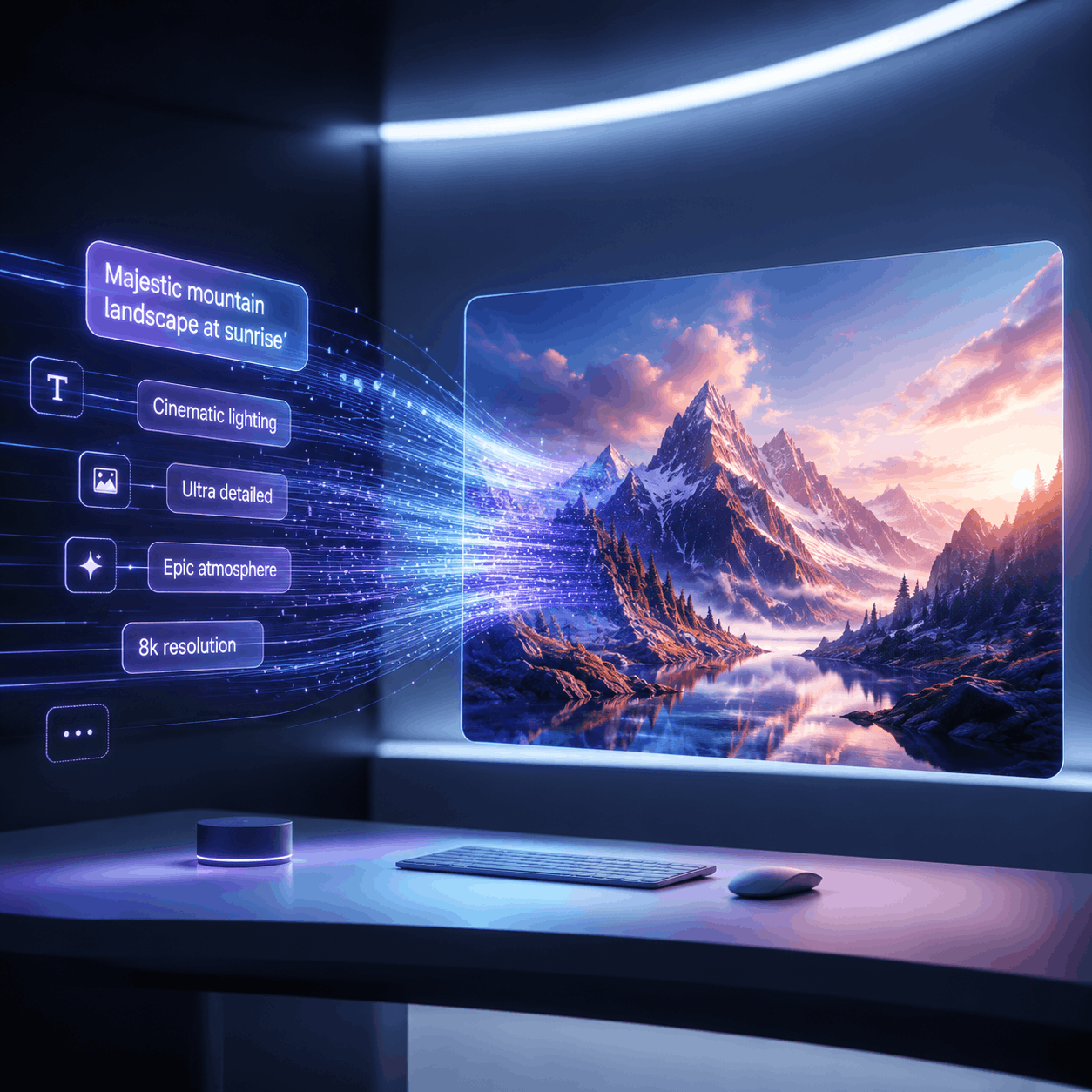
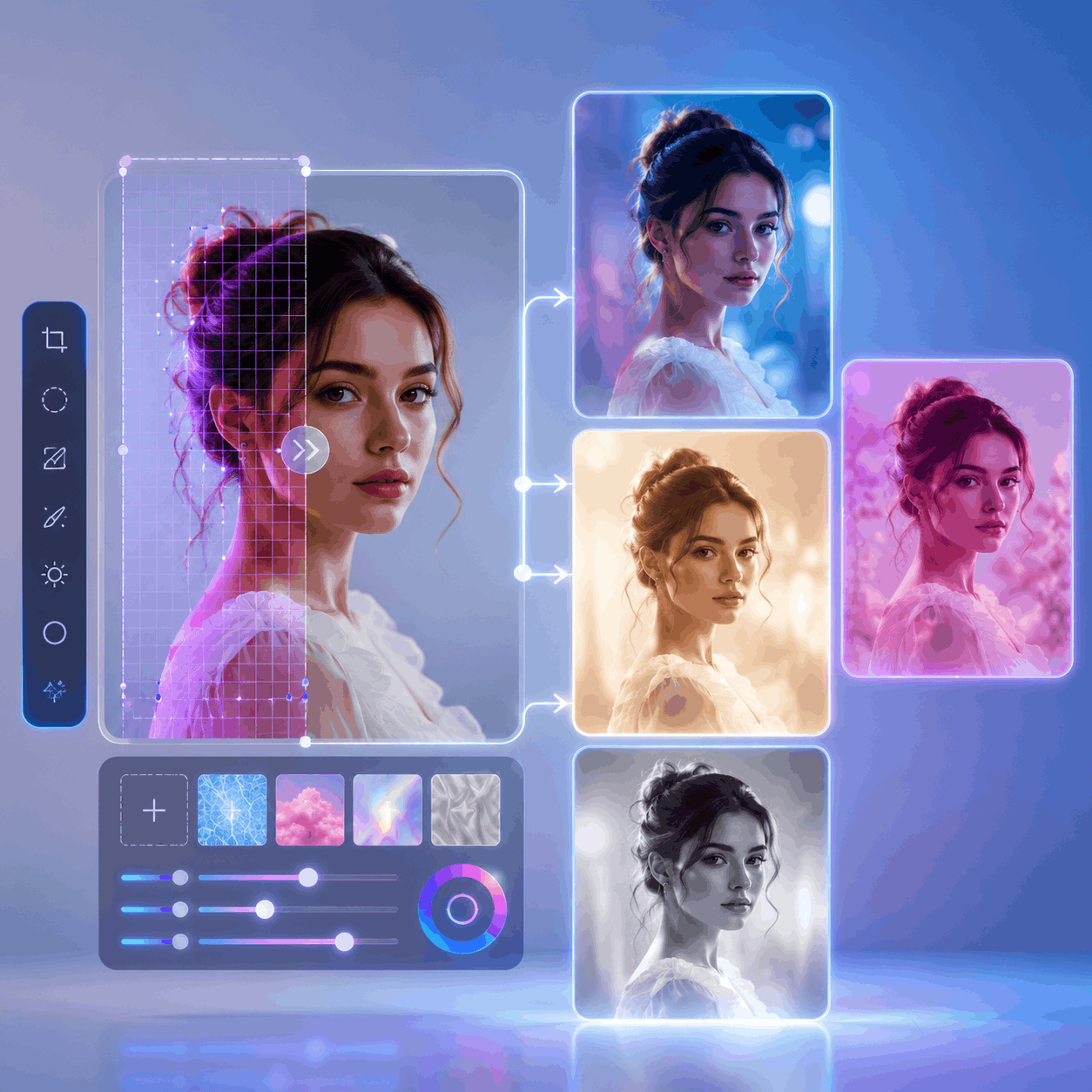
A big part of Nano Banana 2 interest comes from image editing use cases. People want to upload a source image, guide the result with text, preserve important structure, and explore style changes without rewriting the whole composition.
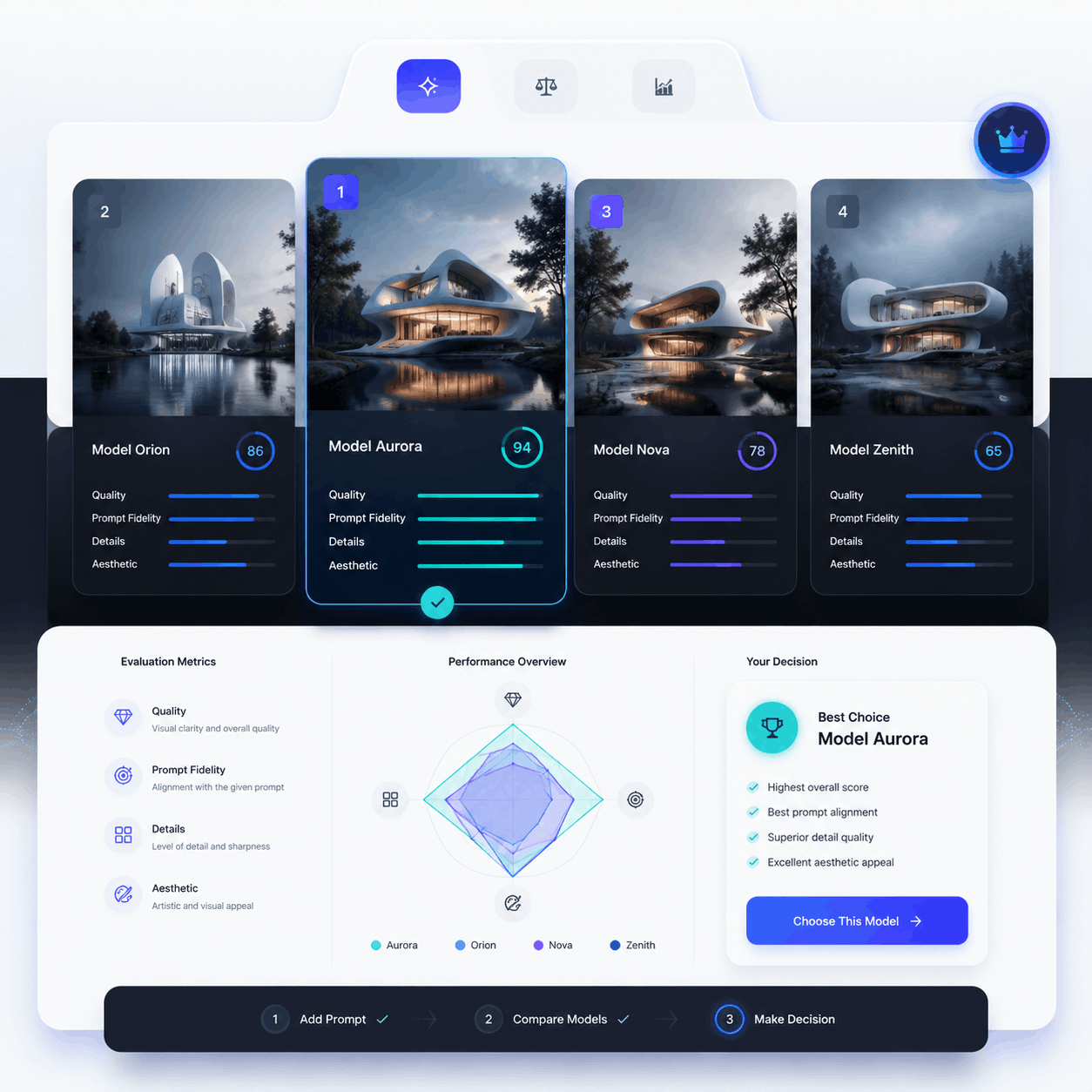
Nano Banana 2 is also a comparison keyword. Searchers want to know whether it is better for readable text, social graphics, marketing assets, character consistency, prompt simplicity, or fast creative iteration compared with other image models.
Comparison Guide
Use these side-by-side breakdowns to decide when Nano Banana 2 makes more sense for fast iteration, image editing, and text-heavy creative work.
If you mainly care about quick creative output, Nano Banana 2 is usually the easier fit. If your priority is high-fidelity polish and more demanding visual tasks, Nano Banana Pro is the better benchmark.
Choose Nano Banana 2 if speed matters more
It is the better fit for fast prompt iteration, social graphics, readable text, and everyday image generation where you want to test ideas quickly.
Choose Nano Banana Pro if precision matters more
It is better suited to complex composites, higher-fidelity branding work, and visual tasks where extra polish matters more than iteration speed.
Quick Comparison
Nano Banana 2 vs Nano Banana Pro: Speed or Precision?
Start with a prompt, add a reference image if needed, and iterate quickly.
Type a natural language description. Nano Banana 2 understands your intent.
Upload an image if you want to guide the composition or style.
Click generate and let the Nano Banana 2 engine do the magic.
Use this beginner-friendly structure to write clearer Nano Banana 2 prompts for text-to-image, image editing, and style transfer.
What is the main focus of the image? Start with the person, object, scene, or product you want to generate or edit.
Where is it happening, and what should the environment feel like? Add location, composition, or surrounding details.
Describe the mood with lighting, atmosphere, color temperature, shadows, or camera feel.
Finish with the visual treatment: poster design, cinematic realism, watercolor, anime, editorial photo, or another art direction.
# Build a prompt with subject, context, lighting, and style
"a futuristic running shoe on display, inside a clean retail showroom with reflective surfaces, soft cinematic lighting with bright rim highlights, premium product photography, highly detailed"
These are some of the most common tasks people want from a Nano Banana 2 workflow.
Use a Nano Banana 2 style workflow to create campaign visuals, social posts, launch graphics, and quick creative variations without rebuilding every asset from scratch.
Writers, concept artists, and creative teams use this kind of workflow to test character looks, environments, comic panels, and visual directions at iteration speed.
Designers often search Nano Banana 2 for text-heavy posters, mockups, photo edits, product presentations, and polished layouts that need both speed and visual control.
Many users search for Nano Banana 2 because they want a simpler explanation of how it connects to Gemini image generation.
Nano Banana Pro is usually discussed as the higher-fidelity tier for more complex visual tasks, deeper reasoning, and more demanding composite work.
Nano Banana 2 is commonly associated with a faster Gemini image workflow focused on quick generation, image editing, prompt responsiveness, and practical day-to-day creative use.
Answers to common Nano Banana 2 questions, including Gemini, prompts, image editing, comparisons, and pricing.
Nano Banana 2 is a keyword commonly used to describe a newer fast AI image generation and editing workflow. People usually search for it when they want to create images from prompts, edit existing images, and compare the experience with other AI image tools.
Yes. Nano Banana 2 is often associated with Google's Gemini image generation ecosystem, which is why many users search for both terms together when looking for image editing, prompt guidance, and model comparisons.
A typical Nano Banana 2 workflow starts with a clear prompt, then adds a reference image if needed, and iterates until the composition, style, and details match the goal. The most important part is being specific about subject, context, lighting, and visual style.
That is one of the reasons this keyword gets so much attention. Searchers often associate Nano Banana 2 with clearer in-image text, which makes it attractive for posters, ads, social graphics, menus, and other text-heavy visual assets.
In most comparisons, Nano Banana 2 is framed as the faster and more iterative option, while Nano Banana Pro is treated as the more precision-oriented choice for complex, high-fidelity visual work.
The best beginner prompts are specific but simple: define the subject, describe the setting, explain the lighting, and end with the style. That structure works well for text-to-image, product scenes, portraits, posters, and basic editing tasks.
This page includes free credits so you can test the workflow before upgrading. That makes it useful for users who want to explore prompts, compare results, and try image generation without committing first.
Still have questions? We're here to help.